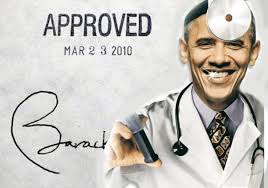
 Confusing. Revolutionary. Possibly
good. Possibly bad. Embarrassing. Worth a shot, I guess?
Confusing. Revolutionary. Possibly
good. Possibly bad. Embarrassing. Worth a shot, I guess?
Americans are widely divided when it
comes to The Affordable Care Act or OBAMAcare, as the law is either
affectionately or un-affectionately called, depending on your stance. The
purpose of this post is to break down the key features of the law, and to shed
light on its advantages as well as detail the points of its biggest critics.
Whether we love it or loathe it, it's the law and we are all required to be
compliant with it!
Key Features of the Affordable Care
Act (from HHS.gov/healthcare)
- Coverage Ends Pre-Existing Condition
Exclusions for Children: Health plans can no longer limit or deny benefits to
children under 19 due to a pre-existing condition.
- Keeps Young Adults Covered: If you
are under 26, you may be eligible to be covered under your parent’s health
plan.
- Ends Arbitrary Withdrawals of
Insurance Coverage: Insurers can no longer cancel your
coverage just because
you made an honest mistake.
- Guarantees Your Right to Appeal:
You now have the right to ask that your plan reconsider its denial of payment.
- Costs Ends Lifetime Limits on
Coverage: Lifetime limits on most benefits are banned for all new health
insurance plans.
- Reviews Premium Increases:
Insurance companies must now publicly justify any unreasonable rate hikes.
 - Helps You Get the Most from Your
Premium Dollars: Your premium dollars must be spent primarily on health care –
not administrative costs.
- Helps You Get the Most from Your
Premium Dollars: Your premium dollars must be spent primarily on health care –
not administrative costs.
- Care Covers Preventive Care at No
Cost to You: You may be eligible for recommended preventive health services. No
copayment.
- Protects Your Choice of Doctors:
Choose the primary care doctor you want from your plan’s network.
- Removes Insurance Company Barriers
to Emergency Services: You can seek emergency care at a hospital outside of
your health plan’s network.
FYI
·
October 1, 2013: Marketplace open enrollment started
·
January 1, 2014: Health coverage can start
·
March 15, 2014: Enroll by this date for coverage beginning April 1st
·
March 31, 2014: Open enrollment ends for 2014!!!
Critiques of the Act (from obamacarefacts.com)
 -Taxes. Taxes on Small Business.
0.2% of firms in the US have over 50 full-time employees and will have to
choose to insure full-time workers or pay a fine. To avoid this some businesses
will cut employee hours, not hire or increase costs for consumers. However, the
fine isn't paid for your first 30 workers.
-Taxes. Taxes on Small Business.
0.2% of firms in the US have over 50 full-time employees and will have to
choose to insure full-time workers or pay a fine. To avoid this some businesses
will cut employee hours, not hire or increase costs for consumers. However, the
fine isn't paid for your first 30 workers.
-Religious Beliefs.There is some
argument over ObamaCare funding women's health services like contraception. Pro
or con depending on your beliefs.
-Tax for Not Buying
Insurance. The first year it is $95 or 1% of your income.
-Big Business Taxes. Medical
device taxes and "drug innovator" taxes dig into the profits of some of
the power houses in their respective industries. These industries drive up the
cost of health care, thus they are taxed to help pay for health care reform.
However, taxes on large businesses may have unintended consequences in the job
market and in aspects of the health care industry.
-Taxes on the 2%. The top 2% of
businesses and individuals in the US will pay some extra taxes.
-ObamaCare Hurts
Medicare. ObamaCare cuts $716 billion from Medicare and reinvests the
money back into the program.
 -ObamaCare Cost. ObamaCare is
projected to cost $1.1 trillion over the next ten years, and in order for the
program to work as intended this is going to include funding from the tax
payers and from the States. However, the end result of ObamaCare's spending is
a $200 billion dollar reduction of the deficit over the next decade. Nevada and
Michigan have done studies that show how the States can save billions with
ObamaCare. Health Insurance companies stand to make billions, despite a loss on
profit per plan, since they will be insuring millions of new Americans.
-ObamaCare Cost. ObamaCare is
projected to cost $1.1 trillion over the next ten years, and in order for the
program to work as intended this is going to include funding from the tax
payers and from the States. However, the end result of ObamaCare's spending is
a $200 billion dollar reduction of the deficit over the next decade. Nevada and
Michigan have done studies that show how the States can save billions with
ObamaCare. Health Insurance companies stand to make billions, despite a loss on
profit per plan, since they will be insuring millions of new Americans.
Want to know more? Check out this
simple and informative video:
Take care of you!
Much Love,
Ohemaas, MD

 Hi Ohemaas and Ohenes!


