Showing posts with label howididit. Show all posts

Friday, December 26, 2014

SEVEN SENSATIONAL MEDICAL ADVANCEMENTS OF 2014

1. THE BIONIC EYE


The “Argus II” takes video from a camera built into glasses (as shown in the picture) and wirelessly transmits that image to implants in the retinas of blind patients. The technology has been available in Europe since 2011, but it was approved for use in the U.S. by the FDA in 2014. The technology is not perfect, but it does help patient's distinguish white from black or the curb from the sidewalk.


2. BREAKTHROUGH TREATMENTS FOR HEPATITS C

Happy liver
In the past, Hepatitis C therapies had cure rates of about 70% and would take almost an entire year to complete. Not only that, but patients may have undergone injections with interferon that produced difficult to tolerate side effects. Now, there are newer oral drugs with cure rates of 91 percent to 100 %. These therapies only last 12 weeks and have been proven to treat more difficult to cure patient populations such as those who also have HIV. One major down side to these newer treatments are the price, they can set you back anywhere from about 85k to 95k.

3. THE POOP TRANSPLANT IN A PILL FORM

FECAL TRANSPLANTS

I know how this sounds, but fecal transplants have been helping people who have suffered with a serious infection called Clostridium difficile (C. diff). C. diff is a toxin that can produce life threatening diarrhea and in fact about 15k people die from it each year. C. diff is typically an infection that we see in hospitalized patients, immunocompromised patients or patients who have taken broad spectrum antibiotics.

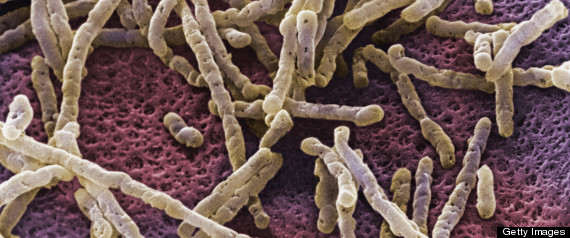
When the usual antibiotic regimens don't work, poop transplants may actually do the trick and have pretty good success rates - some studies quoting 81%. The transplants work by replacing good bacteria from the donor poop into the recipients colon. At present the transplant is preformed via an enema, but recently researchers in Canada have been able to get the good bacteria (minus the poop) into an oral pill!

 4. THE CANCER GENOME


By reviewing the mutated genome of a tumor, we can now tell whether or not some cancers will respond to current chemotherapy regimens. This is helpful because if your doctor knows you won't respond to current treatments he or she can get help you make the decision to get into a clinical trial much sooner.

5. NEUROPACE, STOPPING SEIZURES BEFORE THEY START

neuropace rms NeuroPace Gets FDA Pre Market Approval for RNS Stimulator

Although the NeuroPace has been in development for some time, it was just approved by the FDA this year. The device is a neurostimulator - a small, battery powered device surgically implanted in the skull that continuously monitors brain electrical activity. The neurostimulator delivers brief pulses of stimulation when it detects activity that could lead to a seizure, this can help to prevent the seizure before it happens. Seizure activity has been reduced in participants by 40%.

6. IBRUTINIB, MISSILE GUIDED CANCER TREATMENT


Normally, cancer treatments kill good cells along with the bad cells. Researchers have discovered that the growth of some lymphomas and leukemias is controlled by a protein called Bruton's tyrosine kinase (BTK). Now there is a new drug called Ibrutinib that blocks BTK and leaves the good cells alone.

7. 3D PRINTED BODY PARTS

 
We've all heard of using 3D printers to replicate everyday household items or make toys, but did you know that scientists are using them to make embryonic stem cells, skin, blood vessels, heart tissue, cartilage, bone and organs? Some of these advancements are still in the works, but one day researchers may be able to help thousands of people who are waiting for organ donations by printing the organs they need using biologic material. Pretty cool stuff!

Wednesday, September 17, 2014

How I Did It: Physical Therapy

Dr. Bridges Darko is a Doctor of Physical Therapy based in New York City


1) How and why did you choose physical therapy?

Growing up, I did not know anything about physical therapy or dream of becoming one until the late years of my undergraduate studies. My initial dream was to become an electrical/mechanical engineer, accountant or work in the military.  To me this was typical of a kid from South Bronx. As I began my college journey in the fall of 2001, I had no inclination of what major to pursue, so I spent my first two years without declaring a major.

In 2003, I took a year off from school and visited Ghana. Prior to going to Ghana, I cared for my late aunt for two months who was hospitalized at Mount Sinai Hospital in NYC. The experience changed my whole perspective and scope about life and provided me with an opportunity to shift my focus towards the health field. Once I decided to go into the health field, my father who is one of my biggest aspirations advised me to pursue nursing or become a doctor based on the job security, financial stability, and other advantages within these professions. In the process, I reconnected with an old friend whose father was a surgeon and worked for the NFL franchise, The New England Patriots. He encouraged me and offered me a job as a Sports trainer after completion of my studies. I was very driven and inspired to seek an interest in exercise science. 

While in my third year at Morrisville State College, I transferred to the University of Buffalo with the intention of becoming an exercise science major. Upon graduating from Buffalo University, I worked for a non-profit organization in NYC for a year, was unhappy with my job and did not feel connected to my goal and the path that I was determined to pursue, so I applied to graduate school. I was accepted to Russell Sage College School of Physical Therapy in the fall of 2008. These events along with the challenges and obstacles I encountered during my undergraduate studies has contributed to the passion I posses towards helping and serving patients in the field I work in. I strive to provide the best and adequate care, as well support to my patients.


2) What is a typical work day like?

I work an 8hr shift which starts from 8:30am-4:30pm with the elderly population. My schedule usually varies from time to time however, within the last three to four years, I have been working a rotational schedule throughout the hospital and in other departments. The rotation takes place every six to eight months and allows me to gain more exposure and experience. I have had the opportunity to work in the following areas (spinal cord, traumatic brain Injury, pulmonary rehabilitation, orthopedic/amputations, outpatient, skills nursing home and sub-acute/acute setting).  Each department differs in schedule and workday. At the present time, I am working at a skilled nursing home and by far, the experience has been great along with a flexible schedule. I also have private patients that I see after work at their homes about once or twice a week.

3) What is the most and least rewarding aspect of your job?

Being a physical therapist is very rewarding in itself. You get the privilege of working with patients one-on-one and see the progress through treatment as well as getting to know them and see the difference that you make in their lives. Over the years, what has been the most rewarding for me is helping patients to recover and live their daily lives to the best of their ability. The least rewarding part of my job is seeing patients health and mobility decompensate as well as lack of motivation towards getting better.

4) What educational requirements are necessary prior to applying to Physical therapy school?

As with most health professions, anyone applying to physical therapy (PT) school must have an understanding of the sciences, particularly anatomy, biology, physics, physiology and other health sciences. It is important to lay a foundation as early as possible, even starting with advanced science courses in high school. Physical therapy education includes both classroom instruction and clinical experience.  There are a number of schools that offer physical therapy degrees in the NYC tri-state area and other places across the country.

 When considering physical therapy, it is very critical to make sure to take the time to research the schools available to you and determine the ones with the best fit. The key is to ensure that the schools you apply for are accredited. Then complete prerequisite courses for your designated programs. Also, look for opportunities to gain physical therapy experiences and have all of your hours verified by a physical therapist, if required by your designated program. Take the Graduate Record Examination (GRE) at least 6 weeks before the application deadline. (Freshmen-entry students may be required to submit SAT or ACT scores). Request references from appropriate individuals, if required by your designated programs. Arrange for official transcripts from every college/university attended, to be sent to PTCAS or the institution, as required by the programs. Submit the completed application early and before the program's deadline date. Some programs use a rolling admissions process. PTCAS applicants should also review the PTCAS checklist. In order to practice, all physical therapists must receive a graduate degree from an accredited program prior to taking the national licensing exam.  With few exceptions, most programs are on the doctorate degree level.

5) Would you choose this career if you could make this decision again?
 
Yes, I can honestly say that being a physical therapist has tremendously changed my life and given me a purpose. Each day, I meet new patients from diverse cultural and socio-economic backgrounds. I truly enjoy what I do and I can only hope for the best in my future as a physical therapist.  You can also open up your own private practice if you have the means/finances.

6) What do you wish you knew when you were contemplating this career that you know now?

Prior to undergrad, I wished I had more exposure in the field of physical therapy and obtained more course work and understanding of the sciences. Having the foundation in the sciences and biomechanics earlier in high school would have prepared me much better. In addition attending some state schools may have proven to be a less expensive option that private ones, without necessarily compromising on quality.

7) Are there any trends in your career that concern you? What is the future of this field?
Currently there are no trends that concern me. As a matter of fact, physical therapy was among the 10 fastest-growing jobs in November 2012, according to CNNMoney.com and USNEWs 100 best jobs of 2014. Employment for physical therapists is forecast to grow 39 percent from 2012 to 2022, according to the U.S. Bureau of Labor Statistics.  Therefore the future is very promising. However, inspite of its positive outlook, it remains one of the most challenging careers to enter.

8)Career and life balance, is it possible?
It all depends on the department/facility/settings.  Each varies from acute care, rehab/sub-acute rehab, skilled nursing facility, outpatient clinic, school/preschool, wellness/prevention/sports/fitness, home health, hospice, industrial/occupational environments, local/state/federal government and research center. Aside from a full time position at your work place, you can work as much as you want or as little as you want. There are a lot of opportunities to work for extra pay or get paid by the day. It is all up to you and what you hope to accomplish financially.  Overall, many professionals join physical therapy for the great work/life balance and financial stability.

9) Average salaries?
The median annual wage for entry-level physical therapists was $79,860 in 2012, according to the BLS. The best-paid 10 percent of workers in the category made $112,020, while the bottom 10 percent made $55,620. The highest wages are for home health care, consulting positions and per diems, making anywhere from $100,000-125,000. The best-paid physical therapists live in Las Vegas, Nevada, Fairbanks, Alaska, and Jacksonville, Florida. For salary range, 75th percentile makes $92,860, median, about $79,860 and for the 25th percentile, something in the neighborhood of $66,950.


10) Any websites you recommend for more information on physical therapy?
The APTA’s websites and APTA’s centralized application system allows students interested in physical therapy to view school admission requirements. For more information, visit www.ptcas.org.

Wednesday, May 14, 2014

How I Did It: Dentistry


Dr. Owusu is an American trained dentist practicing in Ghana, West Africa


1) How and why did you choose this career? 

I’ve always wanted to be a doctor since I was young boy but had no idea what kind I wanted to be. I recall the days when my mom used to take me to see my cousin who was a medical doctor and I found myself so intrigued by seeing him in his white lab coat and assured myself that I would wear one of those white coats someday

I had no clue I was going to be a Dental Surgeon until my third year in undergrad at William Paterson University of New Jersey. It was during this time that I had a one on one chat with my school counselor regarding all the various health professions. Upon going through the dental profession discussion, I became very much enlightened about the field and immediately enthralled with it. However I decided not to put all my eggs in one basket so I made up my mind to apply to different professions as well.  I took the DAT, the entrance exam for dental school, applied to a few dental schools, as well as applied to the New York College of Podiatric Medicine. I was accepted into podiatry school while waiting for dental school interviews. I had my first two interviews with University of Louisville and Howard University, got an acceptance email from Howard University within days, immediately followed by an acceptance letter from Louisville. I decided to cancel my remaining interviews and prayed to God to lead me into choosing a school. After careful contemplation, I decided to decline podiatry school since my heart was not into it. I finally decided on Howard Dental School because it was close to home and also wanted to attend a historical black college.

 So many things led me into choosing this profession including the fact that I would be able to put smiles on people’s faces and restore their self-esteem. Secondly, it’s a profession where you can pick and choose your own desire working hours and have good quality time for family. Lastly, it gives me the opportunity to educate and assist in oral health awareness to underprivileged communities in sub-Saharan Africa where I’m originally from.


2) What is a typical work day?

My day starts from 9:00am and ends at 5:30pm with 45 minutes lunch break or sometimes no break at all depending on the schedule. I work in a private setting and schedule appointments for all my own patients. I also welcome walk-ins and emergency cases during the day. My work load includes anything in the general dentistry field except orthodontic cases. I do fillings, veneers, extractions, crowns and bridges, child fluoride treatment, scaling and polishing, deep cleaning, laser teeth whitening, exams and consult, root canals, pulpotomies, pulpectomies, complete and partial dentures etc. Cases that need referrals are always taken care of by specialists around me.


3) What is the most and least rewarding aspect of your profession? 

The most rewarding aspect which I cherish is the fact that I am providing care which leads to putting smiles on my patient’s faces and restoring their self-esteem. It’s always a pleasure to see my patients feeling good and having a good smile. Also, I am able to relieve my patients from extreme pain. I am yet to encounter the least rewarding aspect of my profession.


4) What educational requirements are necessary for dentistry?

First and foremost, to be able to get admission into dental school one needs to complete the necessary basic science and math requirements. You can actually take the necessary science and apply without completing undergrad or getting an undergrad degree so long as you have the required science classes and get a good score on the dental admission test (DAT), you are good to go. Most students always prefer to complete their first degree in the sciences and then apply. It doesn’t matter which science major you do in undergrad as long as the admission requirements are met. As for myself is completed a Bachelor of Science in Biology. 
The DAT is a major part of the admission requirements. Getting a good score is ideal for optimizing your chances of getting admission. 


5) Would you choose this care if you could make the decision again?

Without a heartbeat I would say yes. There is a great feeling associated with this profession when you are able to restore an individuals smile, self-esteem and give them their life back.


6) What do you know now that you wish you had known when you were contemplating your career? 

I would have take a  few business classes to broaden and sharpen my business knowledge since running a private dental clinic is a business on its own.


7) Are there any trends in your profession that concern you? What is the future for this field? 

Absolutely. More science students are now moving towards dentistry because of its prospective future outlook and the flexibility that comes with the career. As a result, admission is now more competitive compared to some years back when people looked down on the profession. The future for the field is bright as technology is playing a big part in many treatment advances.


8) Career and life balance- is it possible?

The main reason many people choose dentistry is because of its flexibility in maintaing a working and private life balance.  As a private practice dentist you have the opportunity to pick and choose your desired working days and hours resulting in making time for family life and other personal things.

9) Average Salary

The average net income for an independent private general  practitioner in 2009 was $192,680 for and $305,820 for a specialist as stated on the ADA website. The bureau of labor statistics states that the general dentists on salaried income earned up to an average of $101,000 a year, as of June 2nd, 2012. The earning power of dentist varies on a number of variables like experience, location, the amount of hours worked and their specialization.

10) Any websites you would recommend?

American Dental Association
American Student Dental Association
National Dental Association


Friday, April 11, 2014

How I Did It: Optometry


Dr. Ngoddy is an optometrist in the metro Atlanta area. To ask her questions, comment below! 

1) How and why did you choose optometry?
      
      Interesting story, I attended Xavier University of Louisiana located in New Orleans, LA. This school is known nationwide for its role in getting African American students into doctoral programs. When I started college I was pre-med and had every intention of attending medical school. Alas, life had an entirely different plan for me. I applied my senior year of college for admission into medical school but my MCAT score was low. During my last semester of college I was riding with one of my college roommates discussing our next moves ( basically I was venting she knew her next move), and when I finally paused to take. Breath she said " you should look into optometry, it's mostly non-invasive, has a good quality of life and good pay- plus you will still be a primary care doctor and have patients." This conversation sparked something in me that day and led me to form my plan B. So while I applied again for medical school I also applied for the OAT and applied for optometry school. After being wait listed for medical school (even though my MCAT score improved significantly) I decided God was leading me in a different direction and I decided to follows best decision I've ever made in my life.

2) What is a typical work day?

There are many different modalities in which optometrist can work. I chose to become an independent contractor so I own my own business and lease space from a Chain. Specifically, I lease space from a Sam’s Club located in Morrow, GA. I also provide fill in services for other doctors in the Metro Atlanta area. In the duration of my day I provide several primary care optometric services to patients including diagnosis and treatment of common ocular conditions such as myopia, hyperopia, and presbyopia (basically finding glasses/contact lens prescriptions), as well as notso common conditions like glaucoma. In the event that a patient requires surgical intervention or treatment beyond my scope I refer the patient to a specialist and co-manage the condition.


3)What is the most and least rewarding aspect of your job?

Most rewarding aspect is that the majority of people seeking my services can have a favorable outcome with the prescription of glasses or contact lens. The least rewarding is havingto give someone bad information about their vision. Most ocular emergencies require immediate attention for the best preservation of vision however patients are often slow to act and this can lead to poor prognosis.

4)What educational requirements are necessary prior to applying to optometry school?

Undergraduate degrees and the fulfillment of course requirements set forth by the optometry school you are applying to. Students also have to have taken and done well on the OAT for entrance.

5) Would you choose this career if you could make this decision again
          ABSOLUTELY!

6)What do you wish you knew about optometry before you started that you know now?

That many optometrist are business owners. If I had prior knowledge I would have sought out business classes in undergrad to better prepare me for that possibility.

7)Are there any trends in your career that concern you? What is the future of this field?

          There is a very promising future for optometry, especially as many optometrists move towards more medical models in their practice.

8)Career and Life Balance,is it possible?

In optometry you can work as much as you want and as little as you want depending on how you decide to practice. You can do anything from fill in once a month to full time in a practice or hospital setting. In fact many people join the profession for the great quality of life .

9) Average salary?

         90,000-110,000 I think

10) Any websites you recommend for further information?


         http://www.nationaloptometricassociation.com
         http://www.aoa.org/
         http://www.theeyepro.com (my business website)

Tuesday, March 18, 2014

How I Did It: Pharmacy


Joann is a PharmD candidate in Florida. To ask her questions, comment below!

How and why did you choose this career?

I knew from a young age that I wanted a career in the health care field. My mom was a nurse so I grew up around hospitals. Based on this interest, I chose pharmacy through a process of elimination. By junior high school, I knew I didn’t want to be a nurse or a doctor and I didn’t want to deal with bodily fluids.  At this point, my mom gave me the idea of pharmacy as a stable and flexible job. I was attracted to the stability this career had to offer along with the flexibility for family life. Also I happened to enjoy chemistry. I was fascinated by drugs and their ability to alter the body. I did some research on pharmacy and in high school I shadowed some pharmacists. Once my mind was made up that was it.

What is a typical day in your work like?

This description will be from the point of view of an intern in a retail/community setting meaning; any pharmacy location outside of a hospital or long term care facility. In the morning, the pharmacist logs into the pharmacy’s system to find a list of prescriptions that people called in to be filled and checked before being picked up. There may also be voicemails to get, left from doctor’s offices calling in prescriptions. Typically the morning is quiet and consists of filling prescriptions. Once customers start coming in and phones are ringing, it is the pharmacist’s job to counsel patients on their medications and answer any medication questions that may come up. So, it gets busy because there are continually prescriptions to be checked, as well as interacting with patients. This is why having good technicians and interns is so important. They are a big help because they can do almost everything a pharmacist does, except for the final medication check for drug interactions etc. before it goes out to the patient and advising/counseling patients. Also, only the pharmacist or intern can give immunizations (in some states like FL, interns cannot immunize). For example; if anyone walks in for a flu or shingles shot. A technician can prepare the vaccine, but the pharmacist would administer it. The only time most pharmacists sit down is during their lunch break.

What are the most and least rewarding aspects of your job?

The most rewarding is just knowing you are providing people with the care and medication therapy they need to help them feel better. Something as simple as helping someone choose the right over the counter product for their particular problem. However, the least rewarding is having to play “drug cop”… let me explain. The top three most widely prescribed medications in this country are narcotics. This class of drugs are also the most abused. They are typically prescribed for pain and they can be very addictive. So part of our job ends up being the regulation of these drugs. For example, telling patients no they can’t get them early etc. There are a lot of rules involved with filling this class of medications and we have to make sure the correct protocol is being followed. Here is a funny rendition of this scenario: http://youtu.be/YmDFN3aIhZc

What education requirements are needed and what colleges do you recommend for pursuing an education leading to this occupation?

A Doctor of Pharmacy (PharmD) degree from an accredited pharmacy school is required to work in retail/community pharmacy. Then an additional one or two year residency is required to work in most hospital pharmacies. Pharmacy is a career where the university doesn’t matter. As long as it is an accredited program. My only advice is when choosing schools, compare costs of tuition as well as cost of living in that area. Also, check what the school’s remediation policy is. For example: some schools don’t offer the option to retake a class in the summer if you don’t pass it the first time. So depending on the class, the student may be held back for a year.

What high school and college classes have you found most applicable/important for your occupation?

All science and math classes. For both high school and undergraduate especially calculus and organic chemistry.

Would you choose this career if you could make the decision again? What would you do differently?

Honestly, I don’t think I would choose this career again due to various discoveries I have made about myself since getting into pharmacy school. I probably would have chosen to get a master’s degree in public health or to be a naturopathic doctor (ND). Read more about this profession here: http://www.huffingtonpost.com/michael-stanclift-nd/naturopathic-doctors_b_1923371.html

However, I do believe God has a good and perfect plan for my life and pharmacy is a part of this plan for a reason.

What do you wish you knew but didn’t when you first contemplated this career?

I wish I knew more about the academic requirements of pharmacy school. To be honest, I was fairly naïve about this and so I encourage prospective students to research this extensively. It is not enough to be good at science and to have a good memory, math needs to be a strong point too! There is a lot of math involved which is a weakness for me. Also, it is a huge sacrifice to your personal life. Personally, I have had to put a lot of things on hold in order to make it through successfully. This is not the case for everyone, but it has been my experience so far.

Are there any trends that concern you? Any trends that will make this career choice more or less attractive in the future?

Well, I would say a PharmD is not as marketable now as it was about ten years ago. It has become a very popular career choice therefore, the market in some parts of the country (like Florida) can be saturated. The reason is that there are six pharmacy schools just in Florida alone. Each one of those schools graduates a hundred or more students per year. Simply do the math, there just aren’t enough pharmacies in one state to employ all those graduates. But, as long as someone is willing to move, there are still plenty of job opportunities in other parts of the country. Therefore, it is still an appealing career in terms of stability and flexibility.

Career and Family Balance.

In my opinion, pharmacy is a great career to balance work and family. This is why so many women choose this profession. In fact, last year Forbes ranked pharmacy as the best paying job for women. This year U.S. News ranked pharmacy as the third top career in healthcare based on solid employment growth and a high median salary. http://money.usnews.com/careers/best-jobs/pharmacist

Salary.

 According to www. http://www.bls.gov/ooh/healthcare/pharmacists.htm entry level pharmacists in 2012 were starting around $100,000- 116,000 a year, making $50-56 dollars an hour. In my experience, pharmacy interns make anywhere from $10-17 an hour depending on the state and company. With experience, the top 10 percent of pharmacists can earn more than $145,910 per year. Words of advice: Explore as much about pharmacy as you can before entering pharmacy school. Do your research. Do not be driven by dollar signs alone, because this is a fleeting motivation. Especially explore blogs and forums that give personal perspectives on being a pharmacist/ pharmacy student.

For more info about pharmacy:

1. http://forums.studentdoctor.net/categories/pharmacy-forums-pharmd.121/

2. http://www.bls.gov/ooh/healthcare/pharmacists.htm

3. http://www.pharmcas.org/advisors/start.htm

4. I recommend watching YouTube videos that portray pharmacy.

New Series Alert: "How I Did It"

Hi Ohemaas and Ohenes!

We are introducing a new series called, How I Did It, an interview series where we ask young professionals the really tough questions about their careers and the journey they are taking (or took) to get to where they want to be. The purpose is to inform readers about the good, bad and ugly parts of desirable careers and to inspire those who are thinking of pursuing certain careers.

When we were growing up, we had no ideas what it meant to pursue a career in medicine. If we would have listened to people who only had opinions on the matter we may not be doctors today. Therefore, we hope to make the interviews as real, transparent and raw as possible.

If there's anyone you want us to interview or any questions you want to ask the interviewee please leave a comment! Also, please share the link with anyone you know who may be interested in the featured career.

Thanks!
- Ohemaas, MD